








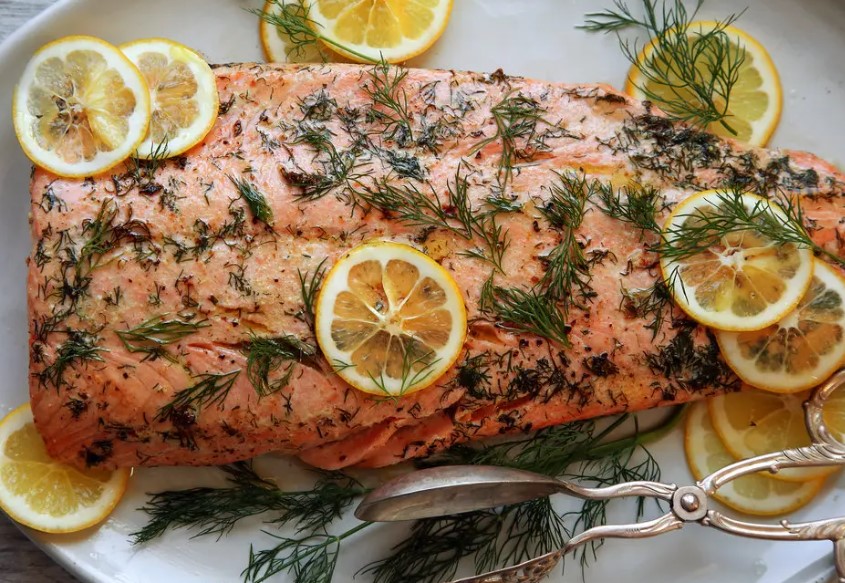
There are certain recipes that feel like a secret; a magical combination of simple ingredients and technique that yields something far greater than the sum of its parts. This Salmon Roasted in Butter is one of those recipes. It’s the kind of dish you serve to guests when you want to look like you spent hours in the kitchen, when in reality, you barely broke a sweat.
I first discovered this method years ago when I was searching for a foolproof way to cook salmon that was fast, flavorful, and; most importantly; didn’t leave my kitchen smelling like fish for days. I wanted something that felt special enough for a dinner party but easy enough for a hectic Tuesday night. This recipe, with its sizzling butter, aromatic herbs, and perfectly roasted fillet, was the answer.
The Inspiration
This recipe is a beloved classic from The New York Times, and for good reason. It’s deceptively simple: just butter, fresh herbs, a beautiful piece of salmon, and a hot oven. The technique is brilliant; by starting the butter and herbs in a screaming hot roasting pan, you create a sizzling, fragrant base that immediately begins to cook the fish from the bottom, ensuring crisp edges and a buttery, tender interior. It’s the epitome of elegant minimalism.
Flavor Profile & Texture
Let’s talk about what happens in that hot oven. The butter browns ever so slightly, taking on a nutty, rich aroma that is infused with the fresh, bright notes of chervil, parsley, or dill. The salmon emerges with a delicately crisp skin (which we remove after the initial roast, but that crispy edge remains), giving way to an interior that is buttery, tender, and flaky. Each bite is luxuriously savory with a hint of salt and pepper, perfectly balanced by a bright squeeze of lemon. It’s rich without being heavy; a true celebration of the ingredient’s natural flavor.
Expert Tips & Tricks (For Perfect Butter Roasted Salmon)
- Start with a Hot Pan: The key to this recipe is preheating the roasting pan with the butter and herbs. You want the butter to be sizzling and fragrant when the salmon goes in. This creates an immediate sear on the bottom of the fish, locking in moisture and preventing sticking.
- Skin Side Up First: The recipe calls for roasting the salmon skin side up for the first 4 minutes. This allows the skin to crisp up and, more importantly, makes it incredibly easy to peel off after the initial roast. Don’t skip this step!
- Peel the Skin While It’s Hot: The skin will lift off effortlessly right after the first 4 minute roast. If it’s stubborn, give it another 2 minutes. Removing the skin at this stage ensures that the second side of the fish gets direct contact with the buttery herbs.
- Don’t Overcook: Salmon is at its best when it’s just cooked through; still slightly translucent in the center (medium) or fully opaque, depending on your preference. The residual heat will continue to cook the fish slightly after it comes out of the oven, so pull it a minute or two before you think it’s done.
Make Ahead & Storage
- Refrigerator: Store leftover roasted salmon in an airtight container in the fridge for up to 2 days. To reheat, gently warm in a skillet over low heat with a pat of butter or a splash of water to prevent drying out. Avoid the microwave if possible, as it can make the fish rubbery.
- Freezing Instructions: I don’t recommend freezing this dish once it’s cooked, as the texture of the salmon will change upon thawing. However, you can freeze fresh, uncooked salmon for up to 3 months if well wrapped.
Step by Step Instructions
1Preheat and Prepare the Pan: Preheat your oven to 475°F (245°C). Place 4 tablespoons of butter and half of your chopped fresh herbs (chervil, parsley, or dill) into a roasting pan that’s just large enough to fit your salmon fillet. Place the pan in the oven for about 5 minutes, until the butter is completely melted and the herbs are sizzling.
2First Roast (Skin Side Up): Carefully remove the hot pan from the oven. Place the salmon fillet in the pan, skin side up. Return the pan to the oven and roast for exactly 4 minutes.
3Remove the Skin: Take the pan out of the oven. Using a spatula or your fingers (careful, it’s hot!), gently peel off the skin. It should come off easily. If it resists, roast for 2 minutes longer and try again.
4Season and Flip: Sprinkle the now exposed side of the salmon with salt and freshly ground black pepper. Gently flip the fillet over so the skinless side is down. Sprinkle the other side with salt and pepper as well.
5Second Roast: Return the pan to the oven and roast for another 3 to 5 minutes, depending on the thickness of your fillet and how well done you prefer your salmon. For a 1½ to 2 pound fillet, 4 minutes is usually perfect for a slightly translucent center.
6Serve: Remove the pan from the oven. Using a spatula, cut the salmon into serving portions. Spoon a little of the herb infused butter from the pan over each piece. Garnish with the remaining fresh herbs and serve immediately with lemon wedges.
Ingredient Substitutions
- Salmon: This recipe works beautifully with both wild and farmed salmon. Wild salmon has a firmer texture and more robust flavor; farmed is milder and richer. You can also use other sturdy fish fillets like arctic char, halibut, or cod, adjusting cooking time as needed for thickness.
- Butter: For a dairy free version, substitute with high quality olive oil or ghee (which is lactose free). The original recipe notes that olive oil pairs wonderfully with herbs like thyme, basil, or marjoram.
- Herbs: The original calls for chervil, parsley, or dill. Any combination works!
- Chervil: Has a delicate anise like flavor. If you can’t find it, parsley is a perfect substitute.
- Parsley: Fresh and clean.
- Dill: Classic with salmon, offering a slightly sweet, tangy flavor.
Dietary Swaps:
- Dairy Free/Whole30: Substitute the butter with ghee (clarified butter) or a high quality extra virgin olive oil. The technique remains the same.
- Gluten Free: This recipe is naturally gluten free.
Serving Suggestions
This buttery salmon is incredibly versatile and pairs beautifully with a variety of sides.
- Classic Pairing: Serve alongside roasted asparagus, sautéed green beans, or a simple mixed green salad with a lemon vinaigrette.
- Starch Options: Creamy mashed potatoes, coconut rice, or quinoa are all excellent for soaking up the extra herb butter.
- Light & Fresh: Pair with a Mediterranean chickpea salad, couscous, or roasted cherry tomatoes for a vibrant, colorful plate.
- Wine Pairing: A crisp, unoaked Chardonnay or a dry Sauvignon Blanc complements the richness of the salmon and butter without overpowering it. For red wine lovers, a light Pinot Noir is a classic choice.
FAQ Section
Can I use frozen salmon?
Yes, absolutely! Make sure to thaw the salmon completely in the refrigerator overnight before using. Pat it very dry with paper towels before roasting to ensure the best texture.
How do I know when the salmon is done?
The USDA recommends cooking fish to an internal temperature of 145°F. At this temperature, the salmon will be fully opaque and flake easily with a fork. If you prefer it more medium (slightly translucent in the center), aim for 125-130°F. The salmon will continue to cook slightly after it’s removed from the oven.
Why do I remove the skin?
Removing the skin after the first 4 minutes serves two purposes. First, it allows the skin to crisp up and then be easily removed, so it doesn’t become soggy. Second, it exposes the flesh directly to the herb butter for the remainder of the roasting time, infusing it with even more flavor.
Can I cook this in a regular skillet instead of a roasting pan?
Yes! A cast iron skillet or any oven safe skillet works perfectly. Just make sure it’s large enough to accommodate the salmon fillet without crowding. Follow the same steps: heat the butter and herbs in the skillet on the stovetop until sizzling, then transfer to the oven.
What if I don’t have fresh herbs?
Dried herbs can be used in a pinch, though fresh herbs really elevate this dish. Use about 1-2 teaspoons of dried herbs (like dill or parsley) in place of the fresh. Add them to the butter as it heats to rehydrate them.
Equipment List
- Roasting Pan or Oven Safe Skillet (large enough to fit the salmon fillet)
- Oven Mitts (the pan handle will be extremely hot!)
- Fish Spatula or Thin Metal Spatula (for flipping and serving)
- Sharp Chef’s Knife
- Cutting Board
- Measuring Spoons
- Instant Read Meat Thermometer (optional, for perfect doneness)
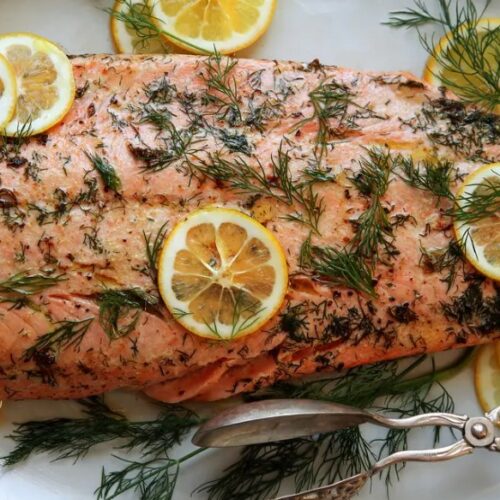
Salmon Roasted in Butter
Ingredients
- 4 tablespoons ½ stick unsalted butter
- 4 tablespoons minced fresh chervil parsley, or dill (divided)
- 1 salmon fillet 1½ to 2 pounds
- Salt and freshly ground black pepper to taste
- Lemon wedges for serving
Instructions
- Preheat the oven to 475°F (245°C). Place the butter and half of the fresh herbs in a roasting pan just large enough to fit the salmon. Place the pan in the oven for about 5 minutes, until the butter is melted and the herbs are sizzling.
- Carefully remove the hot pan from the oven. Place the salmon in the pan, skin side up. Return to the oven and roast for 4 minutes.
- Remove the pan from the oven. Using a spatula or your fingers, gently peel off the skin (it should come off easily). If the skin resists, roast for 2 more minutes and try again.
- Season the exposed side of the salmon with salt and pepper. Flip the fillet over so the skinless side is down. Season the other side with salt and pepper.
- Return the pan to the oven and roast for another 3 to 5 minutes, depending on the thickness of the fillet and your desired level of doneness. For a 1½ to 2 pound fillet, 4 minutes is typically perfect for a slightly translucent center.
- Remove from the oven. Cut the salmon into serving portions, spoon the herb butter from the pan over each piece, and garnish with the remaining fresh herbs. Serve immediately with lemon wedges.
Notes
- Dairy Free Option: Substitute butter with ghee or high quality olive oil. The technique remains the same.
- Herb Variations: Experiment with different herb and fat combinations. Try thyme, basil, or marjoram with olive oil, or cilantro and mint with peanut oil.
- Storage: Store leftovers in an airtight container in the refrigerator for up to 2 days. Reheat gently in a skillet with a pat of butter or splash of water.